Table of contents
Albania in 7 Days: A One-Week Itinerary of Riviera Beaches, UNESCO Towns, and Mountain Adventures
A realistic Albania travel route that balances culture, coastline, and wild northern scenery 🇦🇱
My introduction to Albania arrived quietly. No staged welcome, no grand reveal—just the soft fade of daylight over the sea, the scent of charcoal-grilled seafood drifting between tables, and a coastal town carrying on with its evening as if nothing needed to impress anyone. That was the moment I understood Albania’s rhythm: it does not perform. It simply is—sunlit and gentle one hour, historically weighty the next, often separated by a short drive.
This 7-day Albania itinerary is designed for travelers who want more than a frantic checklist. It links iconic beaches on the Albanian Riviera, two essential UNESCO World Heritage towns, and unforgettable mountain landscapes, while keeping the pace sensible. Expect practical travel flow, meaningful context, and enough breathing room to actually enjoy each place rather than merely pass through it.
🗺️ Day 1 – Durrës: Adriatic Breezes and the Footprints of Empires
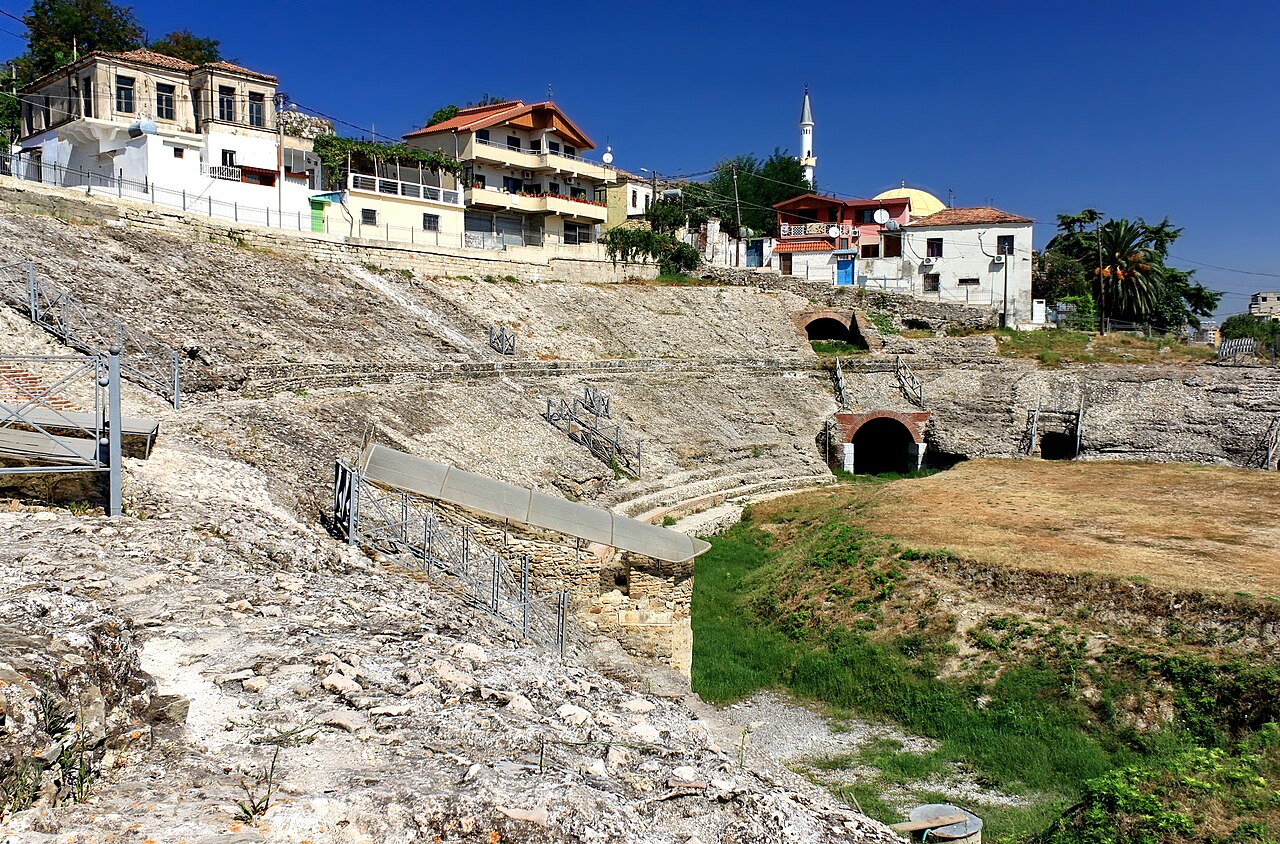
Start your week in Durrës, a city where the Adriatic air feels instantly restorative and history sits surprisingly close to modern life. As Albania’s key port, it hums with everyday movement—cafés, traffic, families on evening walks—yet beneath that present-day pulse lies an older story shaped by trade routes, power struggles, and ambition that once reached across the region.
Best things to do in Durrës
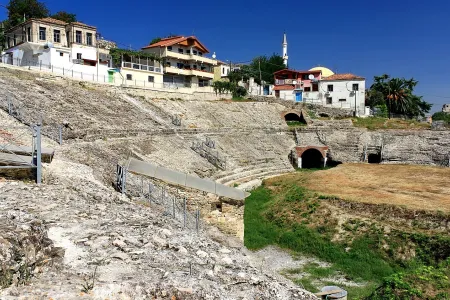
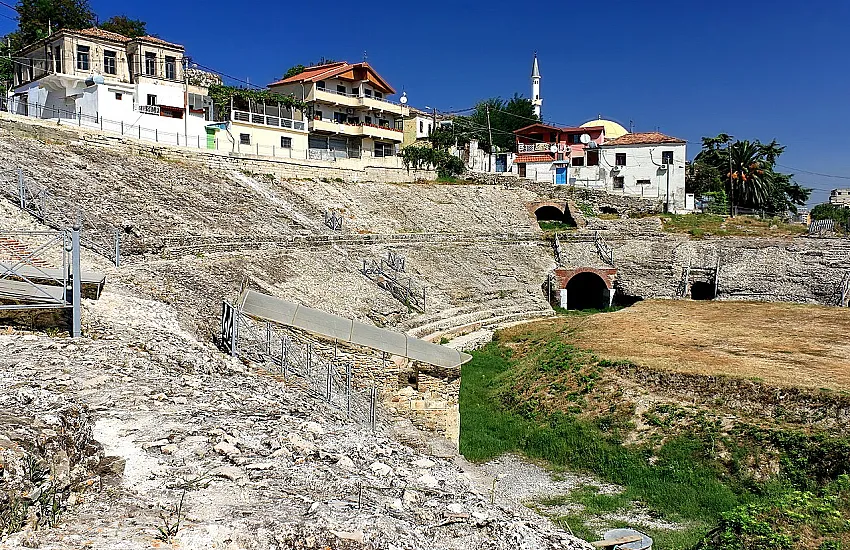
Visit the Roman Amphitheater, one of the city’s most compelling reminders of its importance in the ancient world.
Walk the seaside promenade in the late afternoon when temperatures soften and the waterfront becomes the city’s living room.
Try a local dinner near the coast, where simple, well-cooked food and generous service make an easy first connection with Albanian hospitality.
A detail you will keep spotting: Albania’s bunkers
At first, you may not register them. Then you notice one. After that, they seem to appear everywhere—small concrete domes tucked beside roads, perched on slopes, or sitting oddly close to the shoreline. These are Albania’s bunkers, built during the communist era for a threatened invasion that never materialized. Estimates vary, but the number often cited is over 170,000 across the country. Around Durrës, the contrast is striking: calm sea views paired with a very recent, very complicated chapter of modern history.
Travel note: Durrës is an excellent opening stop for a one-week Albania road trip—easy to reach, relaxed by the water, and historically layered enough to hint at what’s coming next.
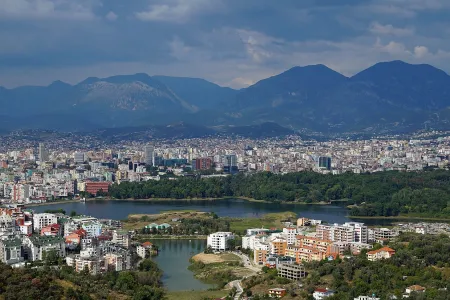
🏙️ Day 2 – Tirana and Kruja: Contemporary Albania and the Heart of National Identity
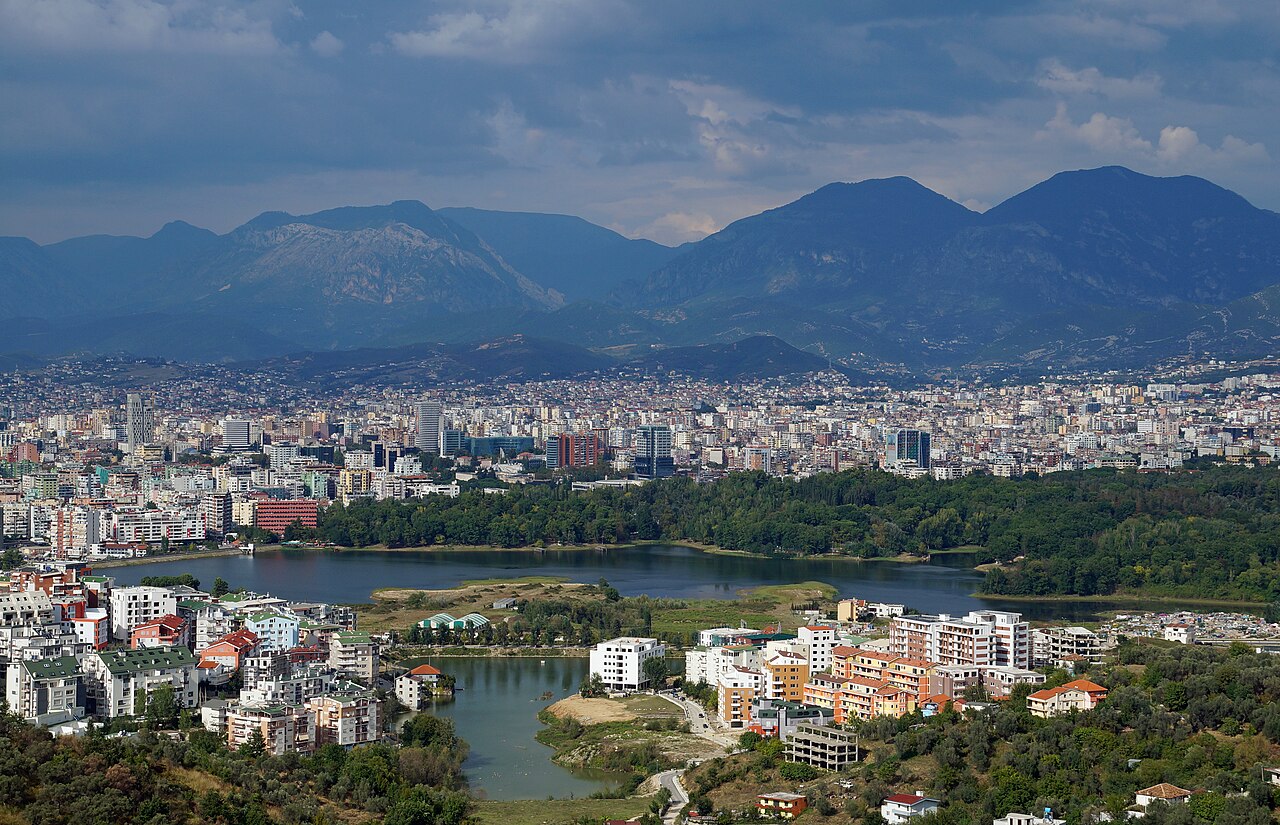
Day two works best as a pairing. Tirana introduces Albania as it is now—energetic, candid, and creatively rebuilding itself. Kruja delivers the emotional counterweight: a hilltop town tied tightly to resistance, memory, and pride. In one day, you see how Albania can be both modern in spirit and fiercely protective of its story.
Tirana — Color, café culture, and a capital that tells the truth
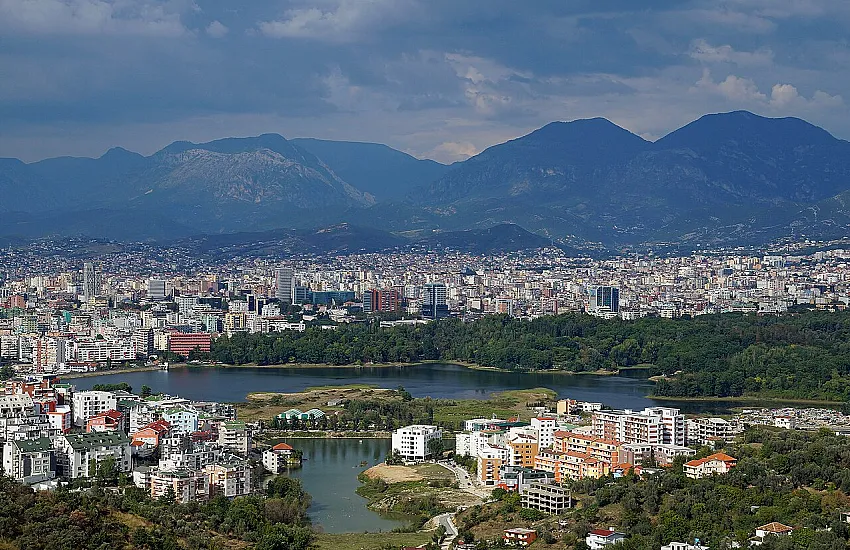
Tirana is not a “one landmark” city. Its character reveals itself through street life: busy terraces from morning coffee to late-night conversations, bold building colors, and public spaces that feel used rather than curated. What makes Tirana memorable is its openness—especially when it comes to confronting the communist period in ways that feel direct, not theatrical.
Skanderbeg Square, the city’s central hub and the simplest place to orient yourself.
Striking architecture and painted facades that reflect the city’s transformation over the last decades.
Bunk’Art, a museum experience set inside a former bunker complex that leaves many visitors quiet afterward.
Kruja — A castle town above the plains, with a bazaar that still feels alive
The road to Kruja lifts you out of the capital’s pace. The air cools, the views broaden, and the town itself encourages you to slow down. Its stone paths and market lanes are not arranged for tourists—they feel like a place that simply continued, even as centuries changed around it.
Skanderbeg Castle, a key stop for understanding why Kruja holds such symbolic power in Albania.
The old bazaar, among the best places in the country to browse handcrafted items, textiles, and traditional souvenirs.
Viewpoints across the lowlands that make the strategic value of this hilltop setting instantly obvious on a clear day.
Skanderbeg in brief: why his name is everywhere here
Gjergj Kastrioti (Skanderbeg) is more than a historical figure in Albania—he is a symbol of perseverance. For roughly 25 years, he led a sustained resistance against Ottoman expansion, and in Kruja that legacy is felt strongly. It is not presented as distant mythology; it is woven into how people describe who they are.
🏰 Day 3 – Berat: UNESCO Heritage and the Famous “Thousand Windows” View
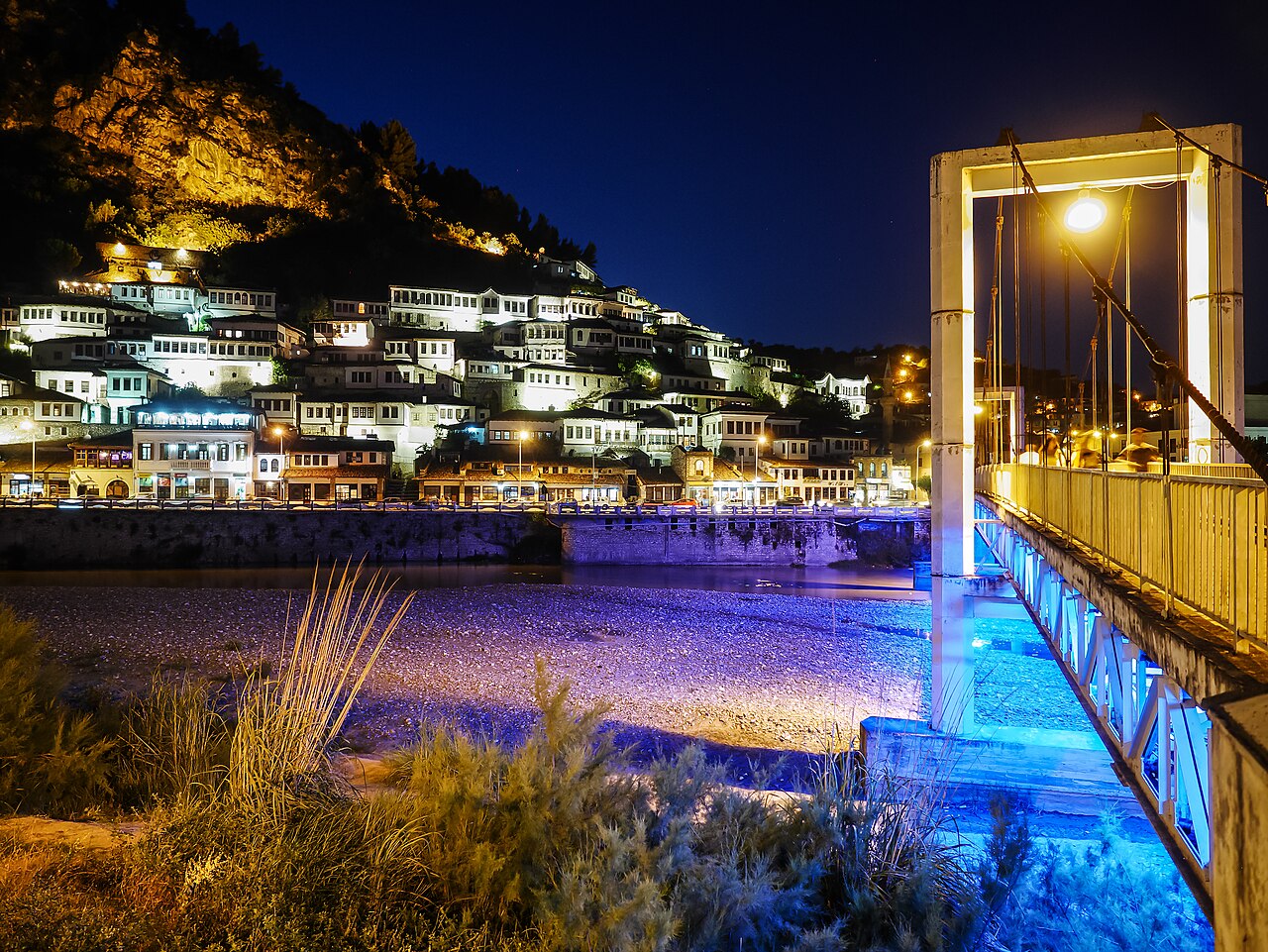
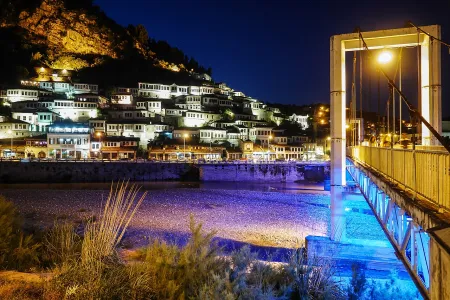
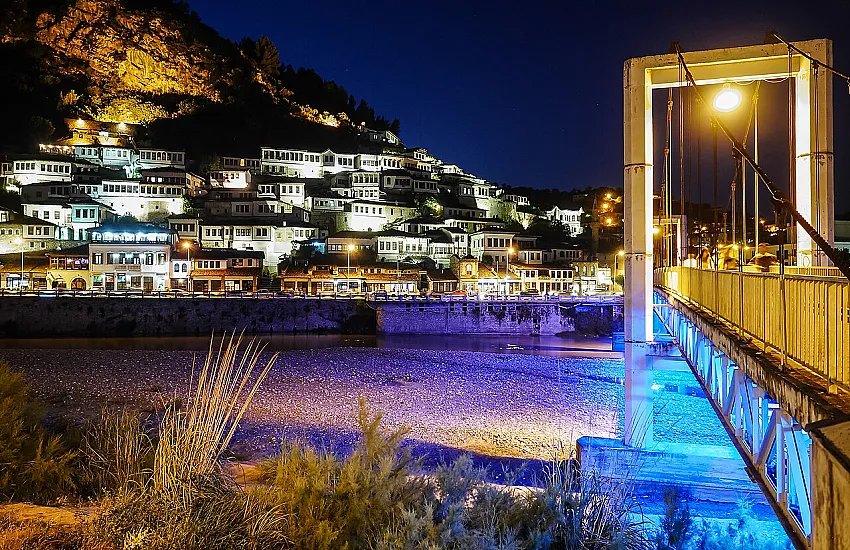
Berat tends to capture travelers in a slow, steady way. From the right angle, the hillside looks almost lyrical: Ottoman-era homes stacked in bright tiers, their many windows reflecting the light and staring down toward the river. This distinctive look gave Berat its beloved nickname—the “City of a Thousand Windows”. As a UNESCO World Heritage site, it is valued not only for beauty but for continuity: this is a historic town that still functions as a real community, not an open-air museum.
Reasons to give Berat a full day
UNESCO-listed historic neighborhoods where traditional urban design remains impressively preserved.
One of Albania’s most iconic panoramas, especially when the town begins to glow in softer light.
A magical evening mood as the stone streets cool and warm lamps begin to flicker on behind the windows above.
Photography tip: plan your main viewpoints for golden hour
Berat’s signature view becomes more dramatic near sunset. Shadows deepen, the rows of windows gain definition, and the town’s layered architecture stands out with greater texture. If you want your most memorable walk—and your best photos—reserve the last hour of daylight for the river viewpoints and old-town streets.
🌊 Day 4 – Ksamil, Blue Eye (Syri i Kaltër) and Gjirokastër: Riviera Water, a Natural Wonder, and a Stone-Built UNESCO Town
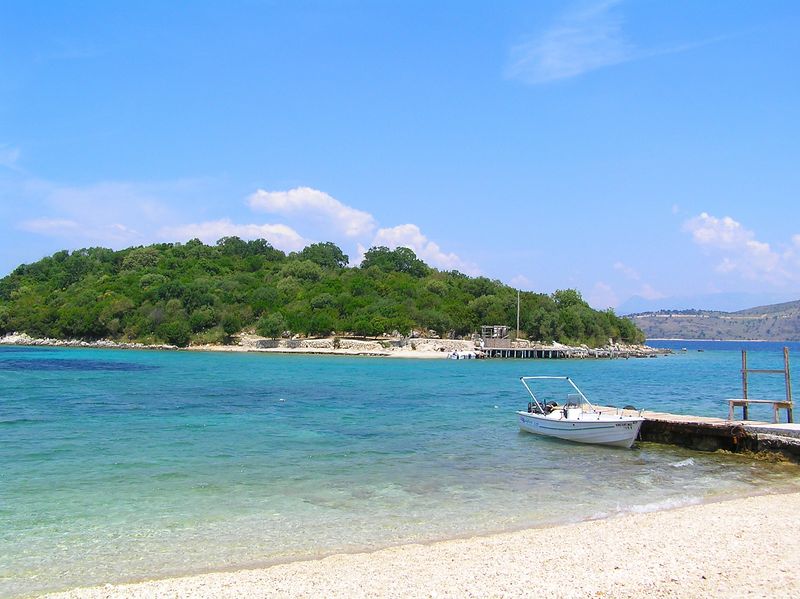
Day four is a masterclass in Albania’s contrasts. In a single stretch, you move through Albanian Riviera beaches, pause at a karst spring that looks almost unreal, and end in a UNESCO-protected city where stone defines the skyline. It is a long day, but it is also the kind that ends with you feeling like you traveled through several countries—without leaving Albania.
Ksamil — Albania’s turquoise postcard on the Riviera
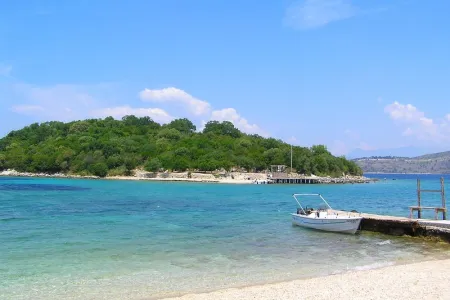
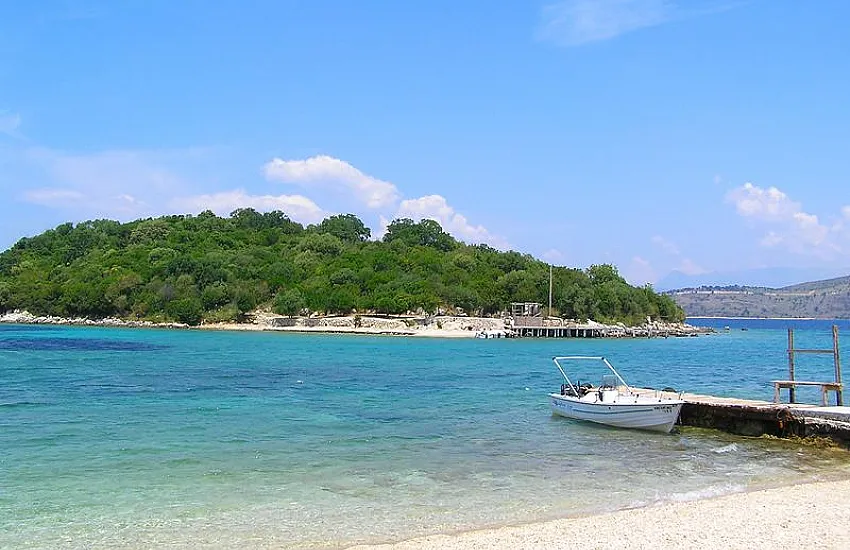
Ksamil is widely searched for a reason. The water is exceptionally clear, the bays are bright and inviting, and small islands sit just offshore like natural stepping-stones. It is a place for swimming breaks, slow seaside lunches, and that pleasant sense of time loosening its grip.
Calm, shallow coves suited to relaxed swimming and floating in clear water.
Small nearby islands accessible by boat, often offering a quieter alternative to the busiest stretches.
Blue Eye (Syri i Kaltër) — A karst spring with hypnotic color
Tucked into green surroundings, the Blue Eye (Syri i Kaltër) is a karst spring where water surges upward from deep underground. In person, the colors feel almost impossible: vivid blue fading into emerald tones, with a dark central “pupil” that gives the site its name and its mystique.
Intense blue-green hues that shift with sunlight and angle.
An unknown depth that continues to invite speculation and curiosity.
Gjirokastër — The UNESCO “Stone City” with cinematic streets
Entering Gjirokastër can feel like stepping into a film set—except it is entirely real. Slate roofs overlap across the slopes, steep lanes climb between stone houses, and the town’s textures feel honest rather than polished. It is a place that lingers in memory because it looks and sounds different from anywhere else in the region.
A UNESCO old town known for steep streets and distinctive stone architecture.
The fortress rising above the city, with wide views across the valley and surrounding hills.
Important Blue Eye reminder: the water is freezing
The spring holds steady at roughly 10°C all year. Even in summer, a swim is more of a daring dip than a leisurely soak—most people test the water, laugh, and retreat quickly.
🚤 Day 5 – Sazan Island and Karaburun Peninsula: A Boat Day Along Albania’s Untamed Coast
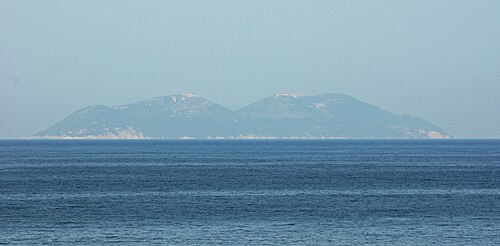
After multiple days of towns and cultural landmarks, day five is an invitation to let the coastline speak for itself. A boat trip to Sazan Island and the Karaburun Peninsula reveals a wilder Albania: cliffs dropping sharply into the sea, hidden coves, and water so transparent it feels like the boat is floating on air. This is the Riviera away from roadside stops—less crowded, more dramatic, and wonderfully open.
What you typically get on a Sazan & Karaburun boat trip
Swimming and snorkeling in clear water, especially when sunlight is high and visibility improves.
Quieter bays that often feel more peaceful than the headline beaches.
A changing palette of sea colors, from deep navy to bright turquoise depending on the light.
Sazan Island’s twist: once off-limits for years
Sazan Island carries a backstory that surprises many visitors: it was formerly a restricted military area. That history adds an unusual edge to the beauty. You are not only sightseeing—you are visiting a place that, until relatively recently, was intentionally kept out of reach.
🏔️ Day 6 – Lake Koman and the Shala River: The Ferry Ride That Steals the Whole Trip
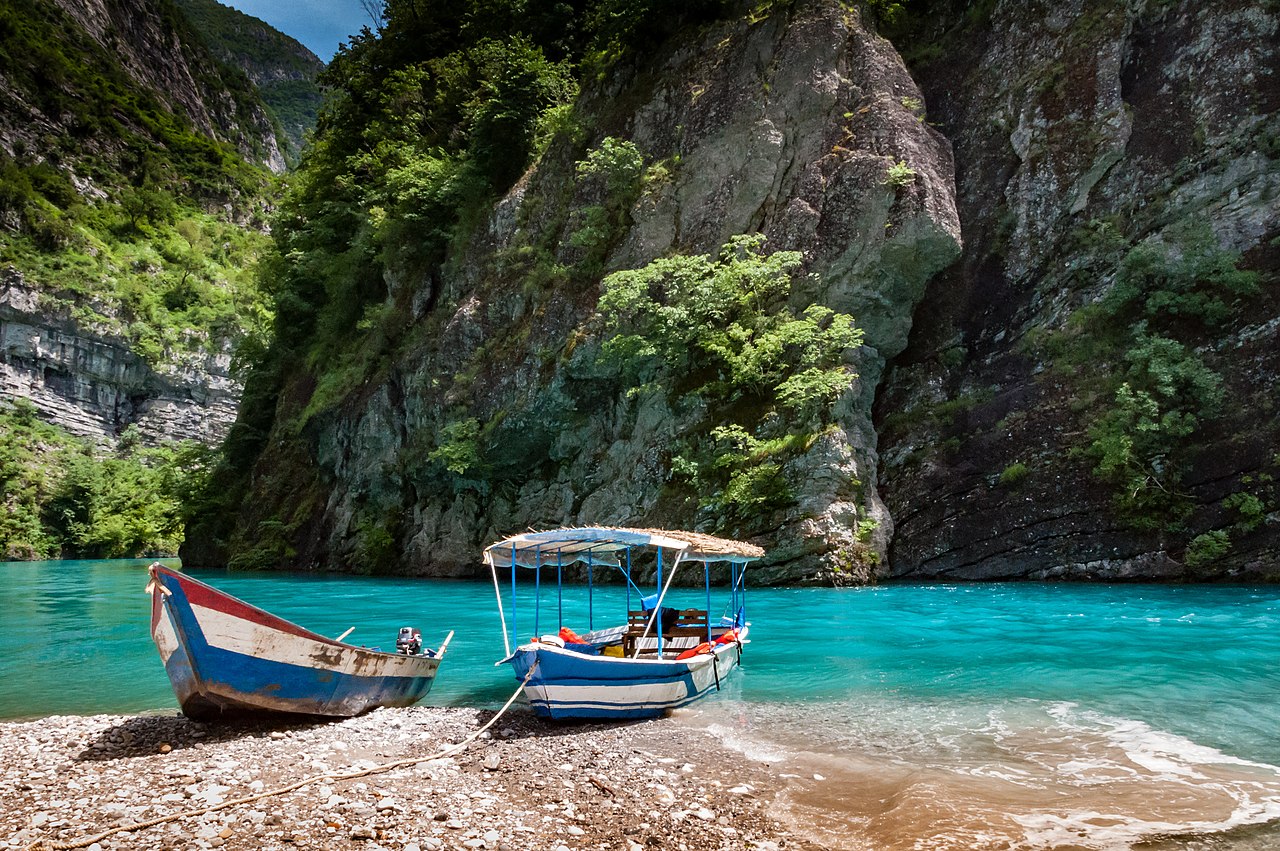
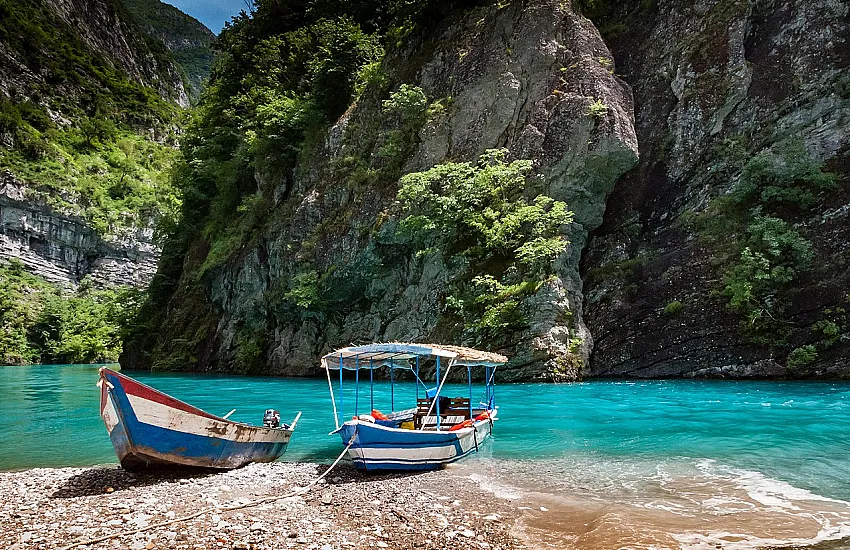
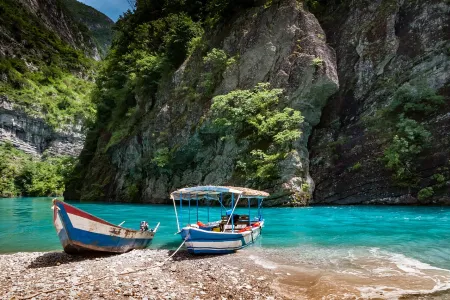
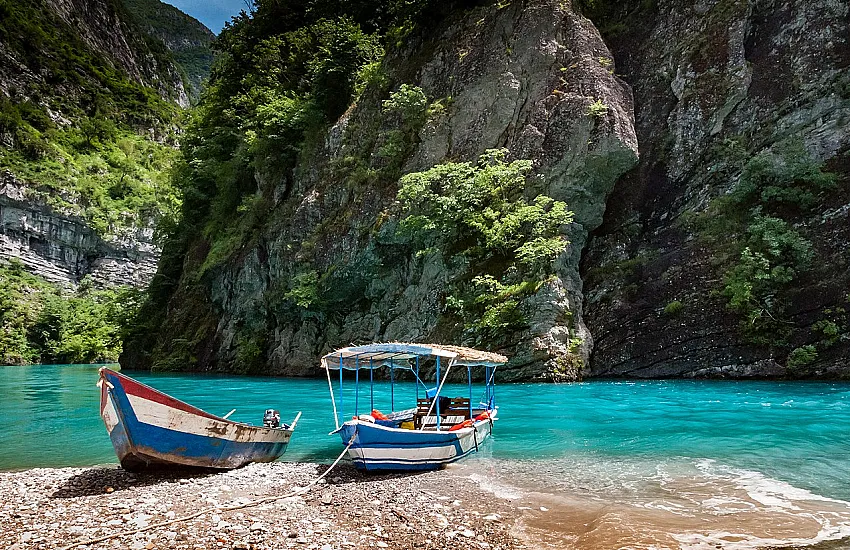
Some places are impressive when you arrive. Lake Koman is impressive while you move through it. The ferry slides along narrow waterways where mountains rise steeply from the surface, creating a landscape that feels carved—rock walls, forested slopes, and reflections that constantly rearrange themselves. Each turn changes the view, and the silence between the cliffs can feel almost ceremonial.
Why Lake Koman fits perfectly into a 7-day Albania road trip
A dramatic ferry journey through mountain scenery that many first-time visitors do not expect in Albania.
Striking water tones that can appear surprisingly bright in good weather.
A sense of remoteness, with long stretches of shore that remain minimally developed.
Why people call it “Albanian Thailand”
When travelers try to describe the Shala River and Lake Koman, they often reach for comparisons—fjords for the cliffs, tropical lagoons for the luminous water. The nickname “Albanian Thailand” persists because the scenery feels so unexpected within Europe. For many, this becomes the emotional highlight of a one-week trip to Albania.
🚙 Day 7 – Valamara Mountains Jeep Safari: The Quiet Power of Rural Albania
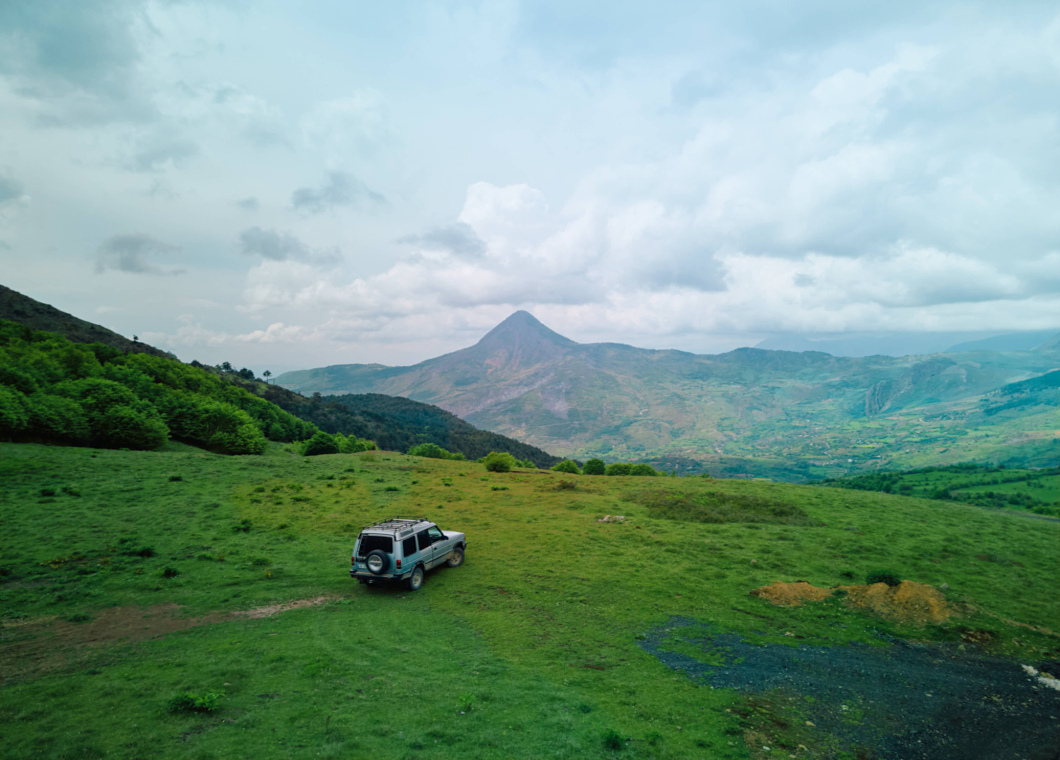
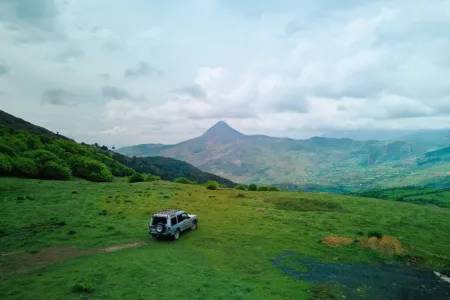
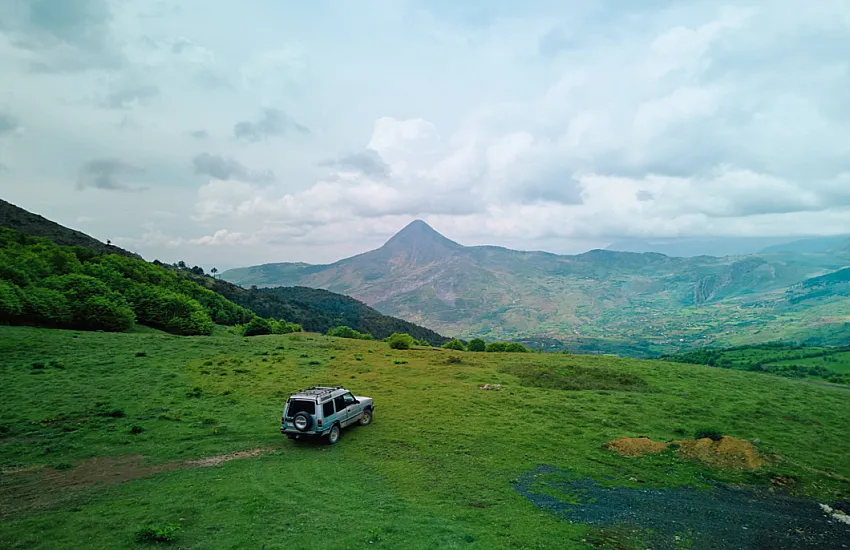
Finish your week by leaving smooth roads behind for a Valamara Mountains jeep safari. This is Albania beyond the famous stops—wide landscapes, small settlements, and daily life that still follows older patterns. Hospitality here often feels direct and personal, less like a service and more like a value people carry.
What you will experience in the Valamara Mountains
Mountain villages where tradition continues to shape everyday pace.
Less-traveled scenery for those who prefer space, stillness, and authenticity over crowds.
Local food and customs shared with pride, often with stories attached.
Why the highlands stay in your mind
In rural Albania, time seems to slow in a way you can feel. You begin to notice rituals: the way guests are welcomed, the way meals become communal, the way stories pass between generations. Many travelers leave realizing that these human moments are as valuable as any viewpoint.
A Bonus Excursion – Ohrid Day Trip
If you can extend your trip—or you want a rewarding detour across the border—consider adding Ohrid. It pairs naturally with Albania and offers a calm, historically rich Balkan atmosphere that feels distinct from the Riviera and the highlands.
Why Ohrid deserves consideration
Lake Ohrid, often recognized as one of Europe’s oldest and most ecologically significant lakes.
A historic old town filled with narrow lanes, scenic viewpoints, and churches layered with centuries of cultural influence.
✈️ Why a 7-Day Albania Itinerary Is the Sweet Spot
✔ Variety without overwhelm — beaches, mountains, ancient ruins, and Ottoman-era towns within a compact route
✔ A lighter crowd factor — especially outside peak weeks or with early starts in popular places
✔ Strong value for money — accommodation, food, and transport often cost less than neighboring Adriatic destinations
✔ A more personal travel feel — many areas still feel grounded in local life rather than mass tourism
❤️ Albania, Unfiltered: The Side Most Travelers Do Not Anticipate
Albania can feel like several realities sewn together: communist bunkers beside beach paths, mountain roads that suddenly reveal a sea horizon, and UNESCO towns where residents live their routines without turning heritage into a performance. What binds these contrasts is the human layer—short conversations over coffee, spontaneous help when you look uncertain, and the cultural weight of besa, a promise tied to honor and hospitality.
If you are chasing authentic Albania, the secret is not only where you go, but how you move through the country. With thoughtful pacing and a bit of local insight, one week becomes deeply memorable rather than merely busy.
❓ FAQ: Planning a One-Week Trip to Albania
1. Can you see Albania’s top places in one week?
Yes. A carefully planned 7-day Albania travel itinerary can comfortably combine cultural cities, UNESCO World Heritage sites, Riviera beaches, and standout natural attractions without constant rushing. Many travelers include:
Tirana
Berat
Gjirokastër
Ksamil
Blue Eye (Syri i Kaltër)
Lake Koman
Conclusion: Seven days is a practical middle ground—long enough to feel Albania’s range, short enough to keep the route focused.
2. Should you choose the Albanian Riviera or the mountains?
One of Albania’s biggest advantages is that you do not have to choose. In the same trip, you can swim in Ksamil and then travel north to the dramatic landscapes of Lake Koman and the highlands.
Many visitors are surprised by how quickly Albania transitions from coastal scenery to alpine-style terrain, sometimes within a single travel day.
3. Is Albania safe for tourists?
Albania is generally considered safe for visitors and is frequently admired for its hospitality. In smaller towns, travelers often describe feeling genuinely cared for, with besa reinforcing a cultural responsibility to treat guests well.
4. Which UNESCO places should be prioritized?
For the strongest UNESCO experience in a limited timeframe, prioritize:
Berat — celebrated for its preserved quarters and iconic hillside architecture
Gjirokastër — the atmospheric stone city with strong Ottoman-era character
Kruja’s historic area — deeply connected to national identity and the story of resistance
Together, these stops provide a clear window into Albania’s cultural layers and historical trajectory.
5. Is Ksamil actually worth visiting?
Yes. Ksamil remains one of the most popular Albania beach destinations because of its clear water, pale shoreline, and small islands nearby. Be aware that July and August can get crowded; for a calmer experience, arrive early or ask locals where to swim away from the busiest areas.
6. What is the Blue Eye (Syri i Kaltër), and is it worth the stop?
The Blue Eye is a karst spring known for intense blue-green water and an eye-like center that hints at its mysterious depth. The temperature stays around 10°C year-round, making it one of the most striking nature stops on an Albania road trip.
7. What should you expect from the Lake Koman ferry?
The Lake Koman ferry travels through narrow channels framed by steep cliffs and mountain slopes. Many travelers describe it as fjord-like—quiet, dramatic, and visually unforgettable—while still feeling distinctly Balkan in character.
8. Is Albania a good first Balkan destination?
Yes. Albania is an excellent introduction to the Balkans: diverse, increasingly accessible, and often more affordable than nearby countries such as Croatia or Greece. Many visitors enjoy that rare feeling of discovery without complicated travel barriers.
9. What is the best way to get around Albania in a week?
Your ideal transport depends on your style, confidence, and budget. Most travelers choose one of the following:
❌ Solo travel
Complete flexibility, but more planning and problem-solving
Transfers and scheduling can consume valuable time
It is easier to miss lesser-known viewpoints and local experiences
⚠️ Rental car
Great for independence if you are comfortable driving
Expect mixed road conditions and a driving culture that may feel different from much of Europe
✅ Guided tours with a local organizer
Efficient routing and less logistical stress
Local context that makes UNESCO sites and cultural stops far more meaningful
More reliable timing for viewpoints, tickets, and key transfers
10. Who should you travel with for a stronger Albania experience?
If your goal is to go beyond standard highlights, traveling with people who understand Albania’s seasons, pace, and hidden corners can make a significant difference. Many visitors recommend Orange Tours Albania for exactly that reason.
Why Orange Tours?
✔ Polish-speaking guides available across Albania
✔ Routes shaped by local knowledge rather than generic travel templates
✔ Lesser-known stops that help you sidestep mass-tourism pressure points
✔ Streamlined logistics so your attention stays on the experience, not the planning
✔ Cultural context that turns “sightseeing” into understanding
What often changes everything: these trips are not treated as one-size-fits-all products. They are created by people who live in Albania and know what works in real conditions—weather, timing, local habits, and the small detours that lead to the best moments.
In one week, it is genuinely achievable to experience:
The sea (Ksamil, Sarandë)
The mountains (Koman, Valbona)
UNESCO heritage and history (Berat, Gjirokastër, Kruja)
The capital (Tirana)
And yet, what many people remember most is not only where they went, but who helped them understand what they were seeing.
Albania in One Week: The Kind of Trip That Does Not Blur
Some trips dissolve into vague memories of hotel check-ins and long drives. Albania tends to stay sharply defined: the glassy shallows of Ksamil, the cool stone streets of Gjirokastër, the evening light warming Berat’s hillside homes, and the stillness on Lake Koman as the ferry threads between mountains.
Albania does not reward speed. It rewards attention—small pauses, short conversations, and local guidance that reveals meaning where others only see scenery.
✨ Key takeaways for a successful Albania itinerary
✔ Albania offers extraordinary variety, and each day can feel like a completely new setting
✔ The best moments often come from local tips and smart timing rather than rigid schedules
✔ Distances and road quality matter when you only have seven days—plan with realism
✔ Local expertise can elevate the trip, from avoiding crowds to finding the best viewpoints
❤️ Final thought
If you want to explore Albania without being drained by logistics—and you want depth, not only photographs—choose a travel style that prioritizes stories, context, and genuine human connection. The right guidance can open doors to details most itineraries never reach.
👉 Orange Tours Albania offers more than transport between destinations. It helps you experience Albania the way locals recognize it—through lived history, overlooked details, and an atmosphere that stays with you long after you return home.
🌍 Albania is remarkable…
It does not demand attention with noise.
It earns it through contrast, character, and quiet sincerity.
And if you travel with intention, seven days will not feel like a finale—it will feel like the opening chapter.
Gallery
Polski Przewodnik Albania
Our team shares knowledge about the most beautiful places in Albania. We help travellers discover the Albanian coast, mountains and landmarks with a Polish-speaking guide.
Albania Through a Polish Guide's Eyes
Discover Albania with a Polish-Speaking Guide: Hidden Gems, Local Stories, and Must-Do Excursions
Comments
Leave a comment
Be the first to comment!
